Author: admin

  • Developing Mental Toughness Through Mindset Training

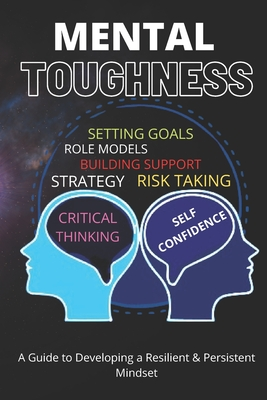
    Life isn’t easy. We all know that. Challenges pop up when we least expect them, setbacks hit hard, and sometimes, it feels like the world is just… testing us. But there’s one thing that can make the difference between folding under pressure and pushing through: mental toughness. And no, it’s not something you’re born with. It’s developed. Through mindset training.

    What Is Mental Toughness Anyway?

    Mental toughness isn’t just about being “strong” or stoic. It’s more nuanced. It’s the ability to stay focused, remain resilient, and maintain performance under stress. Athletes have it. Business leaders have it. Even ordinary people, facing everyday struggles, can cultivate it.

    Think of it like this: mental toughness is the psychological armor that helps you bounce back from failure, handle pressure, and keep moving when everything seems against you.

    The Role of Mindset in Building Mental Toughness

    Your mindset—the lens through which you see the world—plays a huge role. Carol Dweck, a psychologist at Stanford, popularized the idea of “fixed” vs. “growth” mindsets. People with a fixed mindset see abilities as static. They give up easily, avoid challenges. Growth-minded people? They embrace challenges, learn from failure, and push themselves further.

    Developing mental toughness begins with shifting toward a growth mindset. Not overnight, but gradually. Tiny daily adjustments. Tiny self-talk tweaks.

    Start With Self-Awareness

    Before you can toughen your mind, you gotta know yourself. Your triggers. Your weaknesses. Your patterns. Keep a journal. Reflect on moments when you felt stressed, anxious, or defeated. What caused it? How did you react? What could you have done differently?

    Self-awareness is like holding a mirror to your mind. Only then can you start shaping it.

    Embrace Discomfort

    Here’s a hard truth: mental toughness grows when you’re uncomfortable. You’ll never toughen up sitting on the couch binge-watching TV. Push your boundaries. Try things that scare you. Speak in public. Take on difficult projects. Run that extra mile.

    Discomfort builds resilience. It’s like mental strength training—painful in the moment, but rewarding later.

    Use Visualization and Mental Rehearsal

    Athletes do it. Business leaders do it. It works. Picture yourself succeeding before you actually do it. Mentally rehearse tough situations. Imagine staying calm in a high-pressure meeting. Picture yourself finishing a grueling workout.

    Your brain responds as if it’s real. It trains your mind to handle pressure better.

    Build Positive Self-Talk

    Ever notice how harshly we talk to ourselves? “I can’t do this,” “I always fail,” etc. That’s poison for mental toughness. Instead, practice positive self-talk. Not fake pep talk, but realistic encouragement.

    “I struggled this before. I can learn. I will get better.” Repeat it. Believe it. Your inner dialogue shapes your reality.

    Develop Grit Through Consistency

    Mental toughness isn’t flashy. It’s mundane. It’s showing up day after day, even when motivation is gone. Consistency breeds grit. Grit breeds resilience.

    Set small, achievable goals. Hit them. Repeat. Slowly, you build confidence and the mental fortitude to tackle bigger challenges.

    Learn From Failure

    Failure sucks. No sugarcoating it. But here’s the thing: tough minds treat failure as feedback, not a catastrophe. Analyze what went wrong. Adjust. Try again. The more you learn to embrace failure, the less it scares you—and the tougher you become.

    Mindfulness and Stress Management

    Stress is inevitable. But how you handle it defines your mental toughness. Mindfulness, meditation, deep breathing—these aren’t just buzzwords. They help you stay present, reduce anxiety, and improve focus. Even 5-10 minutes a day can make a difference.

    Putting It All Together

    Developing mental toughness isn’t a weekend course. It’s a lifestyle. Mindset training is ongoing. Some days you’ll be strong. Others, not so much. That’s okay. What matters is consistency, self-reflection, and willingness to embrace challenges.

    Here’s a simple framework to start:

    1. Self-Awareness: Track your reactions, thoughts, and behaviors.
    2. Growth Mindset: Reframe challenges as opportunities.
    3. Discomfort: Step outside your comfort zone regularly.
    4. Visualization: Rehearse success in your mind.
    5. Positive Self-Talk: Replace doubt with constructive encouragement.
    6. Consistency: Small daily wins build resilience.
    7. Learn From Failure: Treat mistakes as feedback.
    8. Mindfulness: Manage stress, stay present, improve focus.

    Mental toughness isn’t about being unbreakable. It’s about being bendable, yet unyielding in spirit. The mind, when trained properly, can endure, adapt, and excel in ways you never thought possible.

    So start today. Small steps. Tiny mindset tweaks. Keep pushing. Keep learning. Keep growing. And slowly, but surely, you’ll become mentally tougher than you ever imagined.


  • How to Replace Negative Thoughts with Empowering Beliefs

    We all have those moments. The quiet ones, when the world slows down and that tiny, annoying voice in your head starts whispering — “you’re not good enough,” “you always mess things up,” or “why even try?”
    If that sounds familiar, you’re not alone. Most people battle negative thoughts daily, sometimes without even realizing it. The tricky part? These thoughts often feel like the truth, even when they’re nothing more than mental habits picked up over years of repetition.

    But here’s the thing — thoughts aren’t facts. They’re stories we tell ourselves. And the good news is, we can rewrite them. Replacing negative thoughts with empowering beliefs isn’t about pretending everything is perfect. It’s about retraining your mind to focus on what strengthens you instead of what drains you.

    Let’s dig in.

    1. Understand Where Your Negative Thoughts Come From

    Before you can change something, you’ve got to understand it.
    Negative thoughts don’t come out of thin air — they’re often rooted in fear, insecurity, past experiences, or the desire to protect yourself from disappointment.
    Sometimes it’s your upbringing. Maybe you heard things like “don’t get your hopes up” or “be realistic.” Those phrases, repeated enough, plant seeds of doubt that grow into lifelong mental patterns.

    Take a second to notice your inner dialogue.
    When something goes wrong, what’s the first thought that pops up?
    Maybe it’s “I’m so stupid” or “nothing ever works out for me.”
    Just observing these thoughts without judgment is the first big step. Awareness opens the door for change.

    2. Challenge the Inner Critic

    Here’s a secret: your brain doesn’t like being wrong. It wants to confirm whatever it already believes. So if you think you’re not good enough, your mind will start searching for proof — remembering times you failed, forgetting the moments you succeeded.

    That’s called confirmation bias.
    The way to fight it? Question it.

    When a negative thought hits, pause and ask:

    • “Is this really true?”
    • “What evidence do I have for this belief?”
    • “Would I say this to someone I love?”

    Chances are, you’re being way harsher on yourself than you’d ever be on another person.
    Start catching yourself. Every time that inner critic speaks up, imagine you’re a lawyer cross-examining a witness. Look for facts, not feelings.

    3. Replace — Don’t Suppress

    Trying to stop negative thinking doesn’t work. The harder you fight a thought, the stronger it gets.
    The trick is to replace it. Think of it like changing the radio station. You can’t silence the noise entirely, but you can choose what plays next.

    Here’s how:

    1. Identify the trigger – Notice what situation sparks the negative thought.
    2. Catch the thought in real time – “There it is, I’m doing it again.”
    3. Replace it with an empowering alternative.

    Example:

    • Instead of “I always fail,” say “I’ve failed before, but I’ve learned and I’m improving.”
    • Instead of “I’m not confident enough,” try “I’m building confidence every single day.”
    • Instead of “This is impossible,” try “This might be hard, but I’ve handled tough things before.”

    Over time, your brain starts to accept these new thoughts as the default. It’s neuroplasticity in action — your mind literally rewiring itself to support your growth.

    4. Surround Yourself with Empowering Influences

    You’ve probably heard the saying, “you’re the average of the five people you spend the most time with.”
    That’s not just motivational fluff — it’s psychologically sound. The people, media, and environments around you heavily influence your mindset.

    If you’re constantly around negativity — gossip, complaints, self-pity — it rubs off. You start to absorb it.
    But when you surround yourself with people who lift you up, who believe in growth, resilience, and possibility, it changes your emotional baseline.

    Try this:

    • Follow positive, thoughtful creators online (not toxic positivity — genuine ones).
    • Read books that stretch your thinking.
    • Keep a journal of things you’re grateful for.
    • Limit time with people who constantly drain your energy.

    Empowering beliefs grow in environments that nurture them.

    5. Practice Self-Compassion — Seriously

    Many of us think motivation comes from being hard on ourselves. “If I just push harder, maybe I’ll finally get it right.” But that approach usually backfires.
    Self-criticism paralyzes you; self-compassion fuels you.

    Psychologist Kristin Neff, who’s studied self-compassion for over 20 years, found that people who treat themselves kindly are actually more motivated to improve — not less. Why? Because they create a safe internal space to grow, instead of one ruled by shame.

    Next time you catch yourself spiraling, pause and say,
    “Hey, I’m human. It’s okay to mess up. I’m learning.”

    It sounds simple, but it can completely shift your internal world.

    6. Turn Empowering Beliefs Into Habits

    Empowering beliefs are like muscles — they strengthen with repetition.
    You can’t expect one positive thought to erase years of negativity. You’ve got to practice. Daily.

    Some ideas:

    • Affirmations that feel real. Skip the cheesy “I’m a millionaire” stuff. Instead, go with “I’m capable of handling what comes my way.”
    • Visualization. Picture yourself achieving the thing you’re afraid of. See it clearly. Feel it.
    • Journaling. Write down three empowering truths about yourself each morning.
    • Mindfulness. Simply noticing your thoughts throughout the day builds awareness and control.

    Little by little, you’ll start believing in your own story again.

    7. Remember — Change Takes Time

    There’s no instant switch. Some days you’ll feel strong and centered; other days, those old voices might sneak back in. That’s okay. Progress isn’t linear — it’s layered.

    Replacing negative thoughts is really about developing a new relationship with yourself. One built on patience, kindness, and consistency.
    It’s about remembering that your thoughts don’t define you. You get to choose which ones you feed.

    And every time you choose an empowering belief, you’re rewriting your mental blueprint — one thought at a time.

    Final Thoughts

    Negative thoughts are loud, but they’re not permanent. You have more control than you think. When you start to challenge them, replace them, and nurture new beliefs, your whole outlook begins to shift.
    You start seeing opportunities instead of limits, growth instead of failure.

    It’s not about being perfect. It’s about being aware — and brave enough to believe in something better.

  • How to Reprogram Your Brain for Success

    Ever feel like your mind is working against you?
    Like you want to achieve something big, but somehow you keep falling into the same patterns — procrastinating, doubting yourself, or settling for less?

    You’re not alone.
    The truth is, our brains are wired by habit. The thoughts we think most often literally carve pathways in the brain. It’s not a metaphor — it’s neuroscience. But here’s the beautiful part: you can reprogram your brain to think, act, and believe in a way that aligns with success.

    Let’s talk about how.

    1. Understanding the Brain’s Programming

    Your brain is like a living computer — but with feelings, fears, and memories baked into the code.
    Most of what you believe about yourself was “installed” when you were young: what your parents said about money, what teachers said about intelligence, how society defined success.

    These ideas form your mental blueprint — an unconscious set of instructions that influence how you think, how you behave, and what you believe you deserve.

    If you grew up hearing “money doesn’t grow on trees,” you may subconsciously sabotage financial success. If you were told “you’re not good enough,” you might avoid taking risks that could lead to growth.

    Here’s the kicker:
    The brain doesn’t care whether those beliefs are true or useful.
    It just follows the code it’s been given.

    So the first step in reprogramming your brain is simple (but not easy):
    👉 Become aware of your current programming.

    2. Notice the Patterns

    Pay attention to your inner dialogue — the little voice that comments on everything you do.
    What does it say when you fail?
    When you succeed?
    When you try something new?

    Most people don’t realize how often their self-talk is quietly sabotaging them. Things like:

    • “I always mess this up.”
    • “I’m not that kind of person.”
    • “It’s too late for me.”

    Each of these thoughts is like a line of code telling your brain what to expect. And your brain listens.

    Once you start noticing these thoughts, write them down. Seriously, grab a notebook.
    Seeing them on paper makes them easier to challenge — and replace.

    3. The Science of Reprogramming

    Neuroscientists call it neuroplasticity — the brain’s ability to form new neural pathways.
    Think of it like building a new mental road. The more you drive on it (meaning the more you repeat certain thoughts or behaviors), the stronger and faster it becomes.

    So, if you want to change your life, you need to change what your brain practices every day.

    This means consciously feeding your mind with new beliefs and new emotional experiences that align with the person you want to become.

    For example:

    • Instead of “I’m terrible at this,” say “I’m learning to get better every day.”
    • Instead of “I’ll never be successful,” say “Success is a skill, and I’m developing it.”

    At first, your brain will resist. It’ll feel fake. But repetition is the secret ingredient here — not perfection.

    4. Visualization: The Brain’s Secret Language

    Your brain doesn’t always know the difference between what’s real and what’s imagined.
    Athletes use this all the time. They visualize winning, and the brain fires the same neurons as if they were physically performing.

    Visualization works because it creates a mental “preview” of success. Over time, the brain begins to accept this vision as reality — and your body follows suit.

    Try this:
    Every morning, close your eyes for a few minutes and see yourself already living the life you want. Feel it. What does success look like, smell like, sound like? The more vivid the picture, the more your brain starts to believe it’s possible.

    5. Emotions: The Fuel for Rewiring

    Thoughts alone aren’t enough. Emotion is what cements new neural connections.

    That’s why affirmations don’t work for everyone — if you say “I’m confident” but feel insecure, your brain rejects the message.

    The trick is to pair emotion with belief.
    Instead of just saying positive phrases, imagine the joy, pride, or peace that comes with them. Feel it like it’s already happening. This emotional charge tells your brain, “Hey, this is important — remember this.”

    6. Surround Yourself With Reinforcement

    The people around you are like mirrors — they reflect what you think is possible.
    If your environment constantly reminds you of limitation, it’ll be harder to rewrite your story.

    So, curate your influences.
    Read books that inspire growth. Watch people who have done what you dream of doing. Spend time with those who lift you up instead of pulling you back.

    Your brain adapts to whatever it’s exposed to most often. So feed it wisely.

    7. Practice Gratitude and Mindfulness

    You might roll your eyes at this, but gratitude literally changes the brain’s chemistry.
    Studies show that focusing on gratitude activates the prefrontal cortex — the area responsible for happiness, motivation, and decision-making.

    Mindfulness, too, trains your brain to pause before reacting — breaking automatic negative loops. When you’re mindful, you interrupt the old programming long enough to choose a new response.

    Over time, those little pauses become power.

    8. Keep Going (Even When It Feels Pointless)

    Reprogramming your brain isn’t a weekend project. It’s daily work.
    You’ll slip up. You’ll forget. You’ll have days when you doubt everything.

    That’s normal.
    But if you keep catching those old patterns — and replacing them with new ones — your brain will eventually shift.
    Slowly at first. Then all at once.

    One day you’ll look back and realize your automatic thoughts are different. Your decisions are bolder. You feel calmer, more focused.

    That’s the moment you’ll know the reprogramming worked.

    Final Thoughts

    Success isn’t just about luck, timing, or talent.
    It’s about mental alignment — creating a brain that expects success, instead of fearing failure.

    When you reprogram your brain, you stop chasing success and start attracting it.
    You act differently. You think differently.
    And the world begins to respond.It’s not magic. It’s mindset.
    And it’s available to anyone willing to do the work — one thought at a time.

  • The Importance of Mindset in Achieving Personal Goals

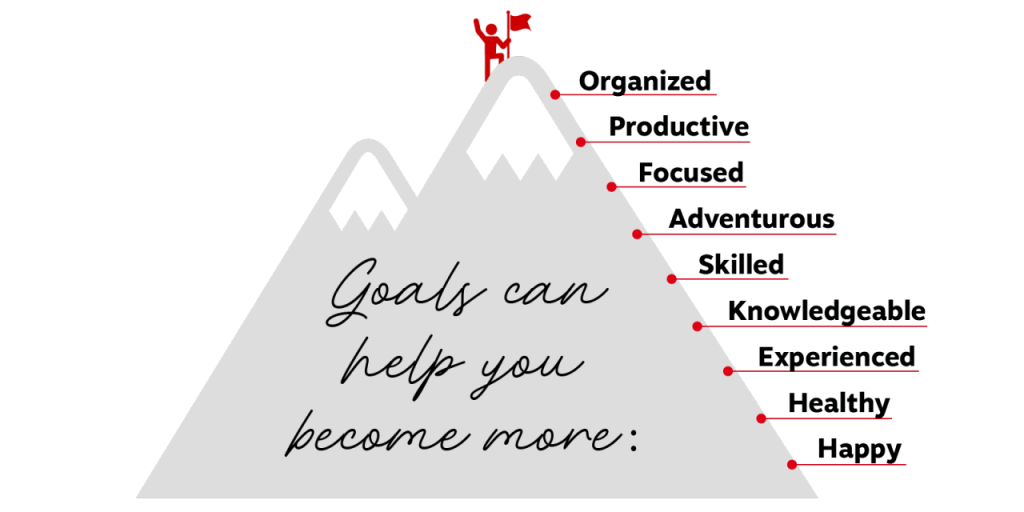
    You know, we often talk about goals like they’re destinations on a map. “I want to lose weight.” “I’m going to start a business.” “I’ll learn a new language.” But rarely do we talk about the vehicle that actually gets us there — our mindset. It’s funny how often we overlook that part, isn’t it? We plan, we dream, we even set deadlines. Yet without the right mindset, those goals tend to just… fade away.

    Mindset: The Invisible Engine Behind Success

    Mindset is basically the lens through which we see ourselves and the world. Psychologist Carol Dweck from Stanford University made this idea famous when she talked about fixed and growth mindsets.
    People with a fixed mindset believe their abilities are carved in stone — you’re either smart or you’re not, talented or untalented. On the other hand, those with a growth mindset believe that skills can be developed through effort, learning, and persistence.

    That difference, though subtle, changes everything. If you believe you can grow, failure stops being a wall and starts being a lesson. That shift alone can mean the difference between giving up after one setback and pushing through until you make it.

    Why Goals Fail Without the Right Mindset

    Let’s be honest — most of us set goals with enthusiasm. But that excitement fades fast when reality kicks in. You skip a few workouts, miss a deadline, or face criticism. Suddenly, your brain whispers, “Maybe this just isn’t for you.”

    That’s not laziness — that’s your mindset reacting.
    When your inner dialogue is full of doubt, it drains your motivation before you even realize it. A negative mindset turns every obstacle into proof that you should quit. A positive one turns the same obstacle into proof that you’re learning.

    Ever noticed how some people seem unstoppable, even when things go wrong? It’s not luck or superhuman willpower. It’s that they’ve trained their mindset to interpret challenges differently.

    The Role of Self-Belief and Mental Conditioning

    Mindset isn’t just about positive thinking, though. It’s about conditioning your mind to believe in gradual progress, not instant perfection.
    Self-belief — that quiet confidence that “I can figure this out” — is built through repetition and small wins.

    Take athletes, for instance. They visualize success before they even step on the field. That mental rehearsal changes how their brain fires under pressure. In everyday life, it’s the same: the more you see yourself doing the thing — writing the book, finishing the degree, getting fit — the more your brain accepts it as possible.

    It’s not magic. It’s neuroplasticity — the brain’s ability to rewire itself. What you focus on, grows.

    How to Cultivate a Goal-Focused Mindset

    Building the right mindset isn’t about forcing optimism. It’s about awareness and practice.

    1. Start noticing your thoughts.
      Most people never realize how negative their inner voice is. The first step is catching yourself. “I can’t do this” can easily turn into “I can learn how to do this.” Small tweak, big shift.
    2. Set process goals, not just outcome goals.
      Instead of “I want to lose 10 pounds,” focus on “I’ll move my body 5 times a week.” The process mindset keeps you consistent, and consistency beats intensity every single time.
    3. Learn to fail forward.
      Failure stings, sure. But if you reframe it as feedback, it becomes a tool. Ask, “What did this teach me?” rather than, “Why did I fail?”
    4. Surround yourself with growth-minded people.
      Mindset is contagious. When you hang out with people who push themselves, it rubs off. You start believing you can do more too.
    5. Celebrate small wins.
      Don’t wait for the final goal to feel proud. Every little milestone matters — and it’s how your brain builds confidence.

    Mindset Shapes Identity — And Identity Shapes Action

    Here’s something people often miss: you don’t rise to the level of your goals. You fall to the level of your identity.
    If your mindset is still “I’m not disciplined” or “I always give up,” you’ll subconsciously act in ways that match that identity. Changing your mindset means rewriting that internal story.

    When you start identifying as “a person who keeps trying,” or “someone who grows through challenges,” your actions naturally align. It becomes less about forcing motivation and more about living in tune with who you believe you are.

    The Quiet Power of Patience

    One of the hardest lessons mindset teaches is patience. Progress is rarely linear. You’ll have good days, then bad ones that make you question everything. But that’s normal. Growth isn’t a straight climb — it’s a messy spiral of learning, unlearning, and relearning.

    The mindset that carries people through those moments is the one that says, “I’m not there yet — but I’m getting closer.” That little word, yet, changes everything.

    Final Thoughts

    At the end of the day, your mindset is the soil where your goals grow. You can plant the most ambitious seeds — career dreams, fitness plans, creative projects — but if your mindset is full of doubt, they won’t take root.

    A strong mindset doesn’t make things easy; it makes them possible.
    It teaches you to see effort as progress, failure as feedback, and challenges as opportunities.

    So, before you chase the next big goal, pause for a moment. Ask yourself:
    “Do I believe I can become the kind of person who achieves it?”

    Because once your mind starts believing — really believing — your goals don’t just stay dreams. They start turning into reality, one step, one thought, one day at a time.

  • Step-by-Step Guide to Writing College Dissertations

    Writing a dissertation can feel overwhelming at first. It’s longer, deeper, and more demanding than any essay you’ve written before. But with the right steps and planning, it becomes a lot easier to manage. A dissertation is basically your chance to explore a topic that truly interests you and prove that you can think and research independently.

    The first step is choosing the right topic. This might sound simple, but it’s one of the most important decisions. Pick something that genuinely interests you — something you can spend months researching without getting bored. It should also be specific enough to explore in depth, but not so narrow that you can’t find enough sources. Talk to your supervisor for advice. They can help you shape your topic into a focused research question.

    Once you have your topic, start by writing a proposal. The proposal outlines what you plan to study, why it’s important, and how you’ll do it. This helps your supervisor see if your plan is realistic and worth exploring. A strong proposal gives you a clear direction, so you don’t feel lost later.

    Next, begin your research. Gather sources from books, academic journals, and credible websites. Take detailed notes and keep track of where each idea comes from. This will make referencing easier later and help you avoid plagiarism. Try to read widely at first, then narrow your focus to the most relevant materials.

    After you’ve gathered enough research, create an outline. An outline is like a map — it helps you structure your thoughts before you start writing. A typical dissertation includes an introduction, literature review, methodology, findings, discussion, and conclusion. The introduction presents your research question and explains why it matters. The literature review discusses what other scholars have said about your topic. The methodology explains how you collected your data. Then you present your findings, discuss their meaning, and finally conclude what you’ve learned.

    When you start writing, focus on one section at a time. Don’t worry about making it perfect on the first try. The goal is to get your ideas down. You can always edit later. Many students get stuck trying to write perfectly — but writing something imperfect is always better than writing nothing.

    Editing and proofreading are as important as writing itself. After finishing a section, take a short break, then come back with fresh eyes. Check your arguments, sentence structure, and grammar. Make sure each section flows naturally into the next. Reading your work out loud can help you find awkward sentences or missing words.

    Time management is key during the dissertation process. Set small goals, like writing one section per week. Breaking the project into smaller parts makes it less scary. Always back up your work — losing your file is one of the worst things that can happen.

    Finally, prepare for your defense or final submission. Review your findings, understand your data, and be ready to explain how you reached your conclusions. Confidence comes from knowing your topic inside and out, not from memorizing every word.

    Final Thought:
    Writing a dissertation takes patience, time, and effort, but it’s one of the most rewarding experiences in college. Take it step by step, stay organized, and don’t be afraid to ask for help. The process teaches you more than the topic itself — it teaches you how to think, plan, and work independently, which are skills you’ll use for life.

  • How to Write a Professional Academic Abstract

    Writing an abstract can be tricky, even for good students. It looks short and simple, but it’s one of the most important parts of any academic paper. The abstract is the first thing most readers and professors see. It’s your paper’s introduction, summary, and first impression all in one small paragraph. A well-written abstract helps readers understand what your research is about and why it matters — and it makes them want to read more.

    So, what exactly is an abstract? An abstract is a short summary of your research paper, usually around 150 to 250 words long. It tells readers the main idea, methods, results, and conclusion of your paper. It’s not just a short introduction or background. It’s more like a snapshot of your entire work. Someone who reads your abstract should be able to understand what your paper covers, even if they don’t read the full thing.

    The best abstracts usually start with a clear statement of the problem or question you’re addressing. For example, if your paper is about how social media affects student productivity, your abstract should start with something like, “This study explores the impact of social media usage on the productivity levels of college students.” That opening line shows what your topic is and sets the focus.

    Next, explain how you approached the problem. This part talks about your methods — how you collected data or did your research. You don’t need every detail, just the basics. For example: “Data was collected through online surveys and analyzed using statistical tools.” Short, direct sentences make your abstract easier to read and more professional.

    After methods, summarize your main findings or results. This is the heart of your abstract because readers want to know what you discovered. Be honest and specific, but keep it short. Instead of saying, “The results were interesting,” write something like, “Findings show that students who limit their social media use to less than two hours a day report higher focus and better academic performance.” That sentence gives readers useful information.

    The final part of your abstract should explain the meaning of your results or their importance. Why should anyone care about your findings? What do they contribute to your field of study? You could write: “These results suggest that managing social media time can significantly improve study efficiency among college students.” That gives the research a purpose and shows the reader why it matters.

    Avoid adding unnecessary details or citations in an abstract. You don’t need to mention every theory or author you used — that belongs in the full paper. Also, don’t include figures, tables, or quotes. Keep the abstract clean and focused. Every sentence should give new information.

    A good trick is to write your abstract last, even though it appears first in the paper. When you’ve finished writing your whole paper, you’ll have a clear understanding of your topic, methods, and results — and it’ll be much easier to summarize them accurately.

    It’s also smart to read a few published abstracts in your field. See how professional writers summarize their work. Notice how they structure their sentences and choose words. Most good abstracts use formal but simple language — no long, complicated phrases. You don’t need to sound overly academic. Clarity is more impressive than fancy vocabulary.

    After you’ve written your abstract, check it carefully. Make sure it answers four basic questions: What was the problem? How did you study it? What did you find? Why does it matter? If it covers those points, it’s a strong abstract. If something’s missing, rewrite it until it flows naturally.

    Finally, always keep your audience in mind. A professional academic abstract should be clear enough for readers outside your field to understand. Avoid heavy jargon or abbreviations unless they’re very common. The abstract is your chance to show not just what you did, but that you can communicate it clearly — and that’s what every academic writer should aim for.

    Final Thought:
    A strong abstract is short but powerful. It shows your reader that you understand your topic and can explain it clearly. Keep it focused, simple, and complete. Remember — your abstract is your first impression. Make it a good one, and the rest of your paper will already have their attention.

  • Common Grammar Mistakes in Student Essays

    Writing an essay can be tough, but grammar often makes it even harder. You might have great ideas and strong arguments, but if your grammar isn’t clear, readers can get confused. Grammar mistakes don’t just make writing look messy — they also make it harder for your teacher to understand what you mean. The good news is that most grammar problems are easy to fix once you know what to look for.

    One of the most common mistakes students make is mixing up verb tenses. Many essays jump from past to present to future without realizing it. For example, a student might write, “Shakespeare writes about love and he showed how it affects people.” The first verb, “writes,” is in the present tense, but the second, “showed,” is past tense. That shift feels awkward. The fix is simple: keep your verbs consistent. If you’re talking about a story or book, use the same tense throughout. For literature, the present tense is usually best, like “Shakespeare writes about love and shows how it affects people.”

    Another common problem is subject-verb agreement. This means the subject (the thing doing the action) and the verb (the action itself) must match in number. For example, “The students was studying” is wrong because “students” is plural, so the verb should be “were.” The correct sentence is “The students were studying.” On the other hand, “The student were studying” is also wrong because “student” is singular. Little details like this might seem small, but they make a big difference in how professional your writing sounds.

    Students also tend to misuse commas. Sometimes they forget commas where they’re needed, and other times they add too many. A common mistake is the “run-on sentence,” which happens when two ideas are joined without proper punctuation. For example: “I finished my essay I printed it and turned it in.” That should be split into two sentences or joined with a comma and a conjunction: “I finished my essay, and I printed it and turned it in.” Reading your writing out loud helps catch these errors — if you run out of breath, there’s probably a missing comma or period.

    A similar issue is the overuse of commas, especially before “and.” Many students add commas where they don’t belong. For example, “I like to read, and write, and draw.” That second comma isn’t needed. It should be, “I like to read, write and draw.” Simple and clean. Remember, punctuation is there to help your reader understand the rhythm of your sentence — not to decorate it.

    Pronouns are another area where mistakes happen often. A pronoun is a word like “he,” “she,” “it,” or “they” that replaces a noun. The problem arises when it’s unclear what the pronoun refers to. For example: “When Mary talked to Jane, she was angry.” Who was angry — Mary or Jane? It’s better to rewrite the sentence clearly: “Mary was angry when she talked to Jane.” Always make sure your pronouns clearly point to one person or thing.

    Many students also confuse commonly misused words. “Their,” “there,” and “they’re” are classic examples. “Their” shows ownership, like “their books.” “There” means a place or position, like “over there.” “They’re” is a short form of “they are.” The same goes for “your” and “you’re.” “Your” means belonging to you, and “you’re” means “you are.” Reading slowly or using a grammar checker can help catch these mistakes.

    Another issue is sentence fragments. A fragment is an incomplete sentence that lacks a subject or verb. For example: “Because I wanted to go.” That’s not a full sentence. It leaves the reader waiting for the rest. It should be: “I went because I wanted to go.” Every sentence should have a clear subject and verb. Fragments make your essay feel choppy and unfinished.

    Long, complicated sentences can also cause trouble. Many students try to sound formal by writing long sentences full of commas, but that often leads to confusion. It’s better to write two short sentences than one long, confusing one. For example, instead of “The results of the study, which was conducted over several months and involved many participants, showed that students, who study regularly, tend to get higher grades,” try “The study lasted several months and involved many participants. It showed that students who study regularly tend to get higher grades.” Clear and simple is always better.

    Spelling mistakes are another easy-to-fix issue. In modern times, there’s no excuse for poor spelling since most word processors have spell checkers built in. Still, don’t rely on them completely. Spell check might not catch everything — for example, it won’t notice if you wrote “from” instead of “form.” Always proofread your work with your own eyes.

    Capitalization mistakes are also common. Some students capitalize random words, thinking it makes them look important, while others forget to capitalize proper nouns. Only capitalize names, the first word of a sentence, and specific titles. For example, “I study English at university” is correct, but “I study english at University” is not. It looks small, but it’s the kind of detail teachers notice immediately.

    Finally, pay attention to tone and clarity. Grammar isn’t only about rules — it’s also about communication. When your grammar is clean, your ideas shine through. Try reading your essay out loud. If something sounds wrong or hard to follow, it probably needs to be rewritten. You can also ask a friend to read it and point out where they got confused.

    Grammar might seem boring or unnecessary, but it’s what holds your writing together. Good grammar doesn’t mean writing perfectly; it means making your writing easy to understand. Teachers care less about fancy vocabulary and more about clarity. Even simple words can make powerful sentences when used correctly.

    Final Thought:
    Everyone makes grammar mistakes, even good writers. What matters is that you take time to fix them and learn from them. Clear writing shows clear thinking. When your grammar is clean, your ideas sound stronger and more professional. So slow down, proofread carefully, and remember — simple, correct sentences always make the best impression.

  • How to Avoid Plagiarism in Your Assignments

    Plagiarism is one of the most common problems students face when writing assignments. Sometimes it happens by mistake, sometimes because of stress or rushing, and sometimes because students don’t fully understand what counts as plagiarism. Whatever the reason, it can cause serious trouble in college. You might lose marks, fail a course, or even face disciplinary action. The good news is that avoiding plagiarism is easy if you develop good habits and pay attention while researching and writing.

    To start with, it’s important to understand what plagiarism really means. It’s not only about copying someone else’s words word-for-word. It also includes taking another person’s ideas, sentence structure, or research and using them as if they were your own. Even paraphrasing — rewriting an author’s idea in your own words — counts as plagiarism if you don’t give credit to the original writer. The basic rule is simple: if the idea didn’t come from you, cite where it came from.

    One of the best ways to avoid plagiarism is to start your assignment early. Many students end up copying material because they run out of time. When you begin your research early, you have enough time to read, think, and write in your own voice. Rushing leads to mistakes. It’s much easier to stay honest in your writing when you’re not panicking the night before the deadline.

    Another helpful habit is keeping careful notes when you do your research. As you read articles or books, make it clear in your notes which parts are direct quotes, which are paraphrased, and which are your own ideas. This helps you avoid confusion later. You won’t accidentally use someone else’s words thinking they’re yours. Try to mark sources with the author’s name and page number right away — it saves time when you’re adding references later.

    Learning how to paraphrase properly also helps a lot. Paraphrasing doesn’t just mean changing a few words here and there. It means understanding the idea completely and then explaining it in your own natural language and structure. A good trick is to read a passage, close the book, and then write what you remember in your own words. After that, check the original to make sure you didn’t accidentally copy the phrasing. Always include a citation, even when you paraphrase, because the idea still belongs to someone else.

    Using quotations is fine too, but only when necessary. Sometimes an author’s exact words are powerful or precise, and quoting them directly makes sense. When you quote, use quotation marks and include the author’s name, year, and page number. Don’t overdo it — too many quotes make your work look like a patchwork of other people’s thoughts instead of your own. After quoting, explain it in your own words to show that you understand what it means.

    Citing your sources is one of the easiest and most reliable ways to stay safe from plagiarism. Every college or subject has its preferred citation style — like APA, MLA, or Chicago. Follow the rules of that style carefully. Each citation style has its own system for in-text citations and reference lists. Even small mistakes like missing commas or italics can make your work look less professional, so take your time to check them.

    If you’re not confident about your writing, you can use plagiarism checking tools before submitting your work. Websites like Turnitin, Grammarly, or Scribbr scan your text and compare it with online sources to find any matching parts. These tools are not perfect, but they can help you spot unintentional similarities so you can fix them before your teacher does.

    It’s also a good idea to read from several different sources instead of depending on just one or two. When you combine ideas from multiple authors, your writing automatically becomes more original. You start developing your own opinions instead of simply repeating what someone else said. Your job as a student is not to copy knowledge but to understand it and add your own perspective.

    Time management plays a huge role too. When you plan your assignments, divide your work into smaller steps — researching, outlining, writing, editing, and proofreading. Give yourself enough time for each part. When you manage your time well, you won’t feel desperate to take shortcuts like copying or pasting. Remember, plagiarism often comes from pressure, not from lack of intelligence.

    If you’re still unsure about whether something needs to be cited, ask your teacher or a writing tutor. It’s always better to ask for help than to risk plagiarism. Most colleges have writing centers that can show you how to paraphrase, quote, and reference correctly. Over time, you’ll develop your own writing habits, and citing will start to feel natural.

    In the end, avoiding plagiarism is really about honesty. When you give credit to others, you’re showing respect for their work and proving that you’ve done real research. It makes your writing more credible and professional. You don’t need to copy someone else’s words to sound smart. Your own ideas, expressed simply and clearly, are always more valuable.

    Final Thought:
    Avoiding plagiarism is not hard when you understand what it means and how to prevent it. Write in your own words, manage your time wisely, and always credit the original sources. Doing honest work builds your confidence and your reputation. Remember — originality is not about saying something completely new; it’s about thinking for yourself and showing that you understand what others have said before you.

  • Referencing and Citation Tips for Academic Writing

    Introduction

    Referencing might seem boring, but it’s one of the most important parts of academic writing. It shows that you’ve done real research, gives credit to original authors, and helps readers verify your sources. Proper referencing also saves you from plagiarism — which can seriously damage your academic reputation. Once you understand the system, citations become second nature.

    1. Why Referencing Matters

    When you write a paper, most of your ideas are influenced by others’ work — books, journals, or online articles. Referencing acknowledges those contributions. It proves that your paper is built on real evidence, not just opinions.

    Failing to reference correctly can lead to accusations of plagiarism, even if you didn’t mean to copy. So, learning how to cite properly is a must.

    2. Common Citation Styles

    There are several referencing styles. The most common are:

    • APA (American Psychological Association):
      Used in psychology, sociology, education, and other social sciences.
      Example: (Smith, 2020).
    • MLA (Modern Language Association):
      Common in English and humanities.
      Example: (Smith 45).
    • Chicago/Turabian:
      Often used in history and fine arts. Uses footnotes or endnotes.

    Each style has unique rules for punctuation, order, and formatting — so always check which one your professor requires.

    3. In-text Citations

    These are brief references inside your paper that point to full citations in your reference list.
    Example:

    According to Brown (2019), environmental education improves sustainable behavior.

    If you quote directly, include the page number too:

    (Brown, 2019, p. 32)

    Even when paraphrasing, you must cite the source — it still counts as someone else’s idea.

    4. Reference List or Bibliography

    This appears at the end of your paper. Every source you cite should be listed here, alphabetically by the author’s last name.
    Example (APA):
    Brown, T. (2019). Environmental Education in Modern Schools. New York: Oxford University Press.

    Be consistent — small mistakes like missing commas or italics can lower your grade.

    5. Quoting vs Paraphrasing

    Quoting uses the exact words of the source in quotation marks. Paraphrasing means rewriting the idea in your own words.
    Both require citations.

    Too many direct quotes can make your writing feel copied, so it’s better to paraphrase and show that you truly understand the material.

    6. Avoiding Common Mistakes

    Students often:

    • Forget to cite after paraphrasing
    • Mix different citation styles
    • List sources they didn’t actually use
    • Miss details like year or publisher

    Always double-check before submitting. Tools like Zotero, Mendeley, or citation generators can help, but don’t rely on them blindly — they sometimes make small errors.

    7. Using Reference Management Tools

    If your paper has many sources, use tools like:

    • Zotero (free and user-friendly)
    • Mendeley (great for PDF annotations)
    • EndNote (popular in research institutions)

    These tools automatically create reference lists in any style you choose and keep your research organized.

    Final Thought

    Citing sources might feel like a minor detail, but it’s what separates good academic writing from careless work. Proper referencing builds your credibility and shows respect for others’ research. Once you learn the rules, it becomes second nature — like signing your name at the end of your work.

  • How to Write a Strong College Research Paper

    Introduction

    Writing a college research paper can be intimidating. You open a blank document, stare at the screen, and wonder where to start. The good news is, you’re not alone. Every student faces this moment. A strong research paper isn’t about sounding overly academic or using fancy vocabulary—it’s about thinking clearly, organizing your ideas, and presenting them in a logical, well-supported way. When done right, it shows your professor that you understand your topic and can analyze it critically.

    1. Understand What’s Being Asked

    Before writing anything, make sure you understand the assignment. Read the prompt carefully. Identify the key question or problem you’re supposed to address. Check details like:

    • The word count
    • Formatting style (APA, MLA, Chicago, etc.)
    • Number and type of sources
    • Submission deadline

    If anything’s unclear, ask your professor for clarification. A lot of weak papers happen simply because students misunderstood the requirements.

    2. Choose a Clear, Focused Topic

    Your topic sets the direction of your entire paper. Choose something specific and manageable.
    For example:

    • Too broad: “Global Warming”
    • Better: “The impact of renewable energy policies on reducing carbon emissions in India.”

    The narrower your focus, the easier it is to write deeply and clearly about it. Try to pick something that genuinely interests you — it makes research less painful.

    3. Research Smart, Not Hard

    Don’t just Google your topic and click the first few links. Use reliable academic sources like:

    • Google Scholar
    • JSTOR
    • Your college library database
    • Peer-reviewed journals

    Take notes as you read. Write down author names, publication years, and page numbers. This saves time when you start referencing. And remember to separate your own ideas from what you read — that’s key to avoiding plagiarism later.

    4. Develop a Strong Thesis Statement

    Your thesis is the heart of your paper. It’s the one sentence that sums up your main argument.
    Example:

    “Government subsidies for renewable energy can significantly reduce national carbon emissions if they are paired with strict industrial policies.”

    A good thesis is specific, debatable, and clear. Everything in your paper should connect back to it.

    5. Make an Outline

    An outline helps you stay organized. It’s like a map that guides your writing. A basic one looks like:

    1. Introduction — background + thesis
    2. Body Paragraphs — each with one main point and evidence
    3. Counterarguments — opposing views and your response
    4. Conclusion — summary and implications

    This structure keeps your ideas flowing logically.

    6. Write the First Draft Freely

    Don’t overthink it. The first draft doesn’t need to be perfect; it just needs to exist. Write like you’re explaining your topic to a friend. Don’t stop every two minutes to edit a sentence — you can fix everything later. The goal here is to get your thoughts down.

    7. Support Every Claim with Evidence

    Your arguments should be backed by research, not just opinions. Use quotes, data, and examples — but don’t overuse direct quotations. Paraphrasing in your own words often works better. And always cite where your evidence comes from. It builds credibility and shows academic honesty.

    8. Revise and Edit

    After finishing the first draft, take a break. Then read your paper again. Check if your points make sense and if everything connects to your thesis. Trim unnecessary words and rephrase awkward sentences. Editing is where a decent paper becomes a strong one.

    9. Format and Reference Correctly

    Follow the required citation style carefully. Each style has its own rules for in-text citations and reference lists. Common ones include:

    • APA: used for social sciences
    • MLA: used for humanities
    • Chicago: used for history or fine arts

    Consistent formatting makes your paper look professional.

    10. Proofread

    Grammar and punctuation errors can distract readers. Read your paper aloud or ask a friend to check it. Simple mistakes like using “their” instead of “there” can lower your grade unnecessarily.

    Final Thought

    Writing a strong college research paper takes time and attention, but it’s completely doable. Start early, stay organized, and be honest in your work. The more research papers you write, the better you’ll get. Remember — writing is not just about impressing your professor; it’s about learning how to think deeply and express ideas clearly.