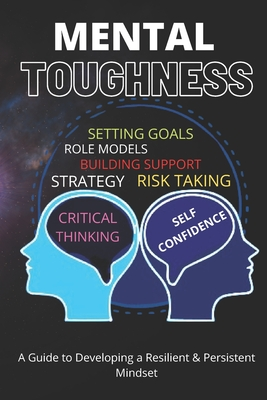
Life isn’t easy. We all know that. Challenges pop up when we least expect them, setbacks hit hard, and sometimes, it feels like the world is just… testing us. But there’s one thing that can make the difference between folding under pressure and pushing through: mental toughness. And no, it’s not something you’re born with. It’s developed. Through mindset training.
What Is Mental Toughness Anyway?
Mental toughness isn’t just about being “strong” or stoic. It’s more nuanced. It’s the ability to stay focused, remain resilient, and maintain performance under stress. Athletes have it. Business leaders have it. Even ordinary people, facing everyday struggles, can cultivate it.
Think of it like this: mental toughness is the psychological armor that helps you bounce back from failure, handle pressure, and keep moving when everything seems against you.
The Role of Mindset in Building Mental Toughness
Your mindset—the lens through which you see the world—plays a huge role. Carol Dweck, a psychologist at Stanford, popularized the idea of “fixed” vs. “growth” mindsets. People with a fixed mindset see abilities as static. They give up easily, avoid challenges. Growth-minded people? They embrace challenges, learn from failure, and push themselves further.
Developing mental toughness begins with shifting toward a growth mindset. Not overnight, but gradually. Tiny daily adjustments. Tiny self-talk tweaks.
Start With Self-Awareness
Before you can toughen your mind, you gotta know yourself. Your triggers. Your weaknesses. Your patterns. Keep a journal. Reflect on moments when you felt stressed, anxious, or defeated. What caused it? How did you react? What could you have done differently?
Self-awareness is like holding a mirror to your mind. Only then can you start shaping it.
Embrace Discomfort
Here’s a hard truth: mental toughness grows when you’re uncomfortable. You’ll never toughen up sitting on the couch binge-watching TV. Push your boundaries. Try things that scare you. Speak in public. Take on difficult projects. Run that extra mile.
Discomfort builds resilience. It’s like mental strength training—painful in the moment, but rewarding later.
Use Visualization and Mental Rehearsal
Athletes do it. Business leaders do it. It works. Picture yourself succeeding before you actually do it. Mentally rehearse tough situations. Imagine staying calm in a high-pressure meeting. Picture yourself finishing a grueling workout.
Your brain responds as if it’s real. It trains your mind to handle pressure better.
Build Positive Self-Talk
Ever notice how harshly we talk to ourselves? “I can’t do this,” “I always fail,” etc. That’s poison for mental toughness. Instead, practice positive self-talk. Not fake pep talk, but realistic encouragement.
“I struggled this before. I can learn. I will get better.” Repeat it. Believe it. Your inner dialogue shapes your reality.
Develop Grit Through Consistency
Mental toughness isn’t flashy. It’s mundane. It’s showing up day after day, even when motivation is gone. Consistency breeds grit. Grit breeds resilience.
Set small, achievable goals. Hit them. Repeat. Slowly, you build confidence and the mental fortitude to tackle bigger challenges.
Learn From Failure
Failure sucks. No sugarcoating it. But here’s the thing: tough minds treat failure as feedback, not a catastrophe. Analyze what went wrong. Adjust. Try again. The more you learn to embrace failure, the less it scares you—and the tougher you become.
Mindfulness and Stress Management
Stress is inevitable. But how you handle it defines your mental toughness. Mindfulness, meditation, deep breathing—these aren’t just buzzwords. They help you stay present, reduce anxiety, and improve focus. Even 5-10 minutes a day can make a difference.
Putting It All Together
Developing mental toughness isn’t a weekend course. It’s a lifestyle. Mindset training is ongoing. Some days you’ll be strong. Others, not so much. That’s okay. What matters is consistency, self-reflection, and willingness to embrace challenges.
Here’s a simple framework to start:
- Self-Awareness: Track your reactions, thoughts, and behaviors.
- Growth Mindset: Reframe challenges as opportunities.
- Discomfort: Step outside your comfort zone regularly.
- Visualization: Rehearse success in your mind.
- Positive Self-Talk: Replace doubt with constructive encouragement.
- Consistency: Small daily wins build resilience.
- Learn From Failure: Treat mistakes as feedback.
- Mindfulness: Manage stress, stay present, improve focus.
Mental toughness isn’t about being unbreakable. It’s about being bendable, yet unyielding in spirit. The mind, when trained properly, can endure, adapt, and excel in ways you never thought possible.
So start today. Small steps. Tiny mindset tweaks. Keep pushing. Keep learning. Keep growing. And slowly, but surely, you’ll become mentally tougher than you ever imagined.
Leave a Reply