Introduction
Writing a college research paper can be intimidating. You open a blank document, stare at the screen, and wonder where to start. The good news is, you’re not alone. Every student faces this moment. A strong research paper isn’t about sounding overly academic or using fancy vocabulary—it’s about thinking clearly, organizing your ideas, and presenting them in a logical, well-supported way. When done right, it shows your professor that you understand your topic and can analyze it critically.
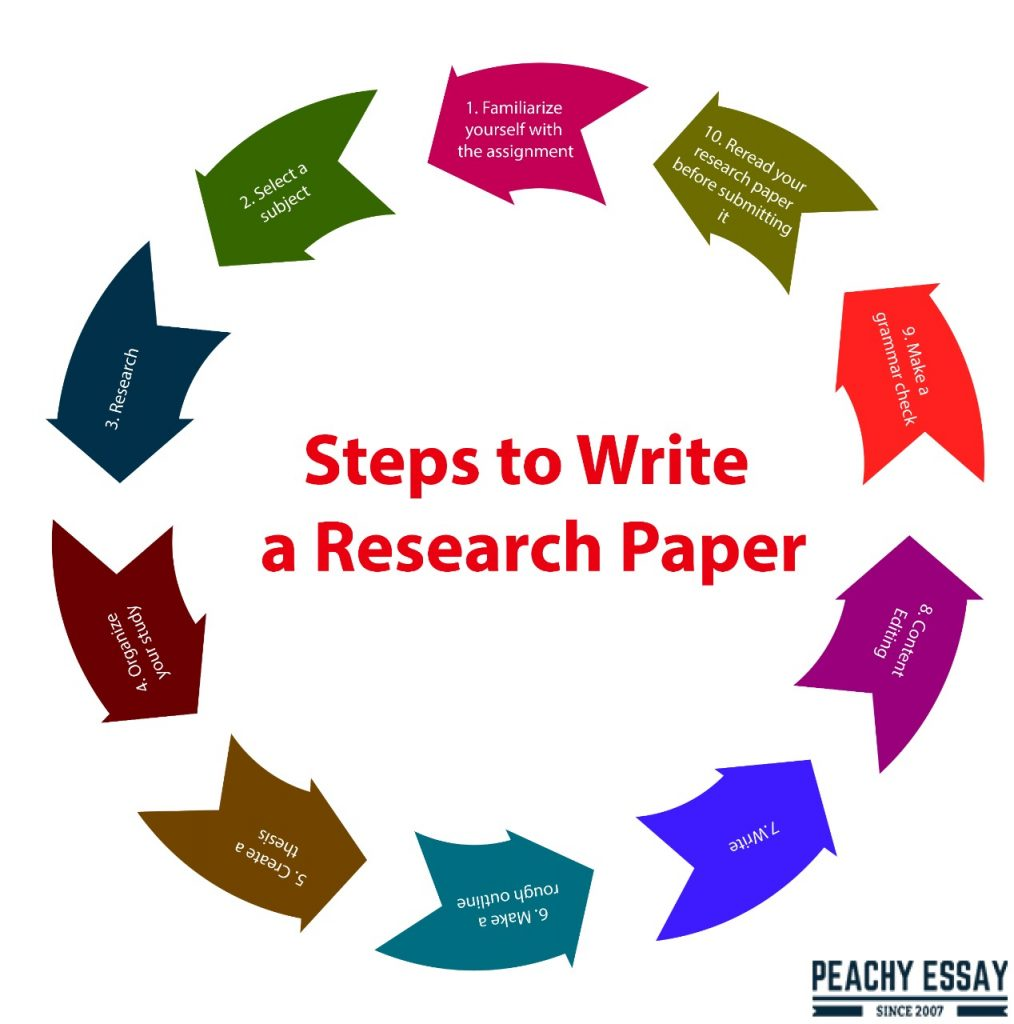
1. Understand What’s Being Asked
Before writing anything, make sure you understand the assignment. Read the prompt carefully. Identify the key question or problem you’re supposed to address. Check details like:
- The word count
- Formatting style (APA, MLA, Chicago, etc.)
- Number and type of sources
- Submission deadline
If anything’s unclear, ask your professor for clarification. A lot of weak papers happen simply because students misunderstood the requirements.
2. Choose a Clear, Focused Topic
Your topic sets the direction of your entire paper. Choose something specific and manageable.
For example:
- Too broad: “Global Warming”
- Better: “The impact of renewable energy policies on reducing carbon emissions in India.”
The narrower your focus, the easier it is to write deeply and clearly about it. Try to pick something that genuinely interests you — it makes research less painful.
3. Research Smart, Not Hard
Don’t just Google your topic and click the first few links. Use reliable academic sources like:
- Google Scholar
- JSTOR
- Your college library database
- Peer-reviewed journals
Take notes as you read. Write down author names, publication years, and page numbers. This saves time when you start referencing. And remember to separate your own ideas from what you read — that’s key to avoiding plagiarism later.
4. Develop a Strong Thesis Statement
Your thesis is the heart of your paper. It’s the one sentence that sums up your main argument.
Example:
“Government subsidies for renewable energy can significantly reduce national carbon emissions if they are paired with strict industrial policies.”
A good thesis is specific, debatable, and clear. Everything in your paper should connect back to it.
5. Make an Outline
An outline helps you stay organized. It’s like a map that guides your writing. A basic one looks like:
- Introduction — background + thesis
- Body Paragraphs — each with one main point and evidence
- Counterarguments — opposing views and your response
- Conclusion — summary and implications
This structure keeps your ideas flowing logically.
6. Write the First Draft Freely
Don’t overthink it. The first draft doesn’t need to be perfect; it just needs to exist. Write like you’re explaining your topic to a friend. Don’t stop every two minutes to edit a sentence — you can fix everything later. The goal here is to get your thoughts down.
7. Support Every Claim with Evidence
Your arguments should be backed by research, not just opinions. Use quotes, data, and examples — but don’t overuse direct quotations. Paraphrasing in your own words often works better. And always cite where your evidence comes from. It builds credibility and shows academic honesty.
8. Revise and Edit
After finishing the first draft, take a break. Then read your paper again. Check if your points make sense and if everything connects to your thesis. Trim unnecessary words and rephrase awkward sentences. Editing is where a decent paper becomes a strong one.
9. Format and Reference Correctly
Follow the required citation style carefully. Each style has its own rules for in-text citations and reference lists. Common ones include:
- APA: used for social sciences
- MLA: used for humanities
- Chicago: used for history or fine arts
Consistent formatting makes your paper look professional.
10. Proofread
Grammar and punctuation errors can distract readers. Read your paper aloud or ask a friend to check it. Simple mistakes like using “their” instead of “there” can lower your grade unnecessarily.
Final Thought
Writing a strong college research paper takes time and attention, but it’s completely doable. Start early, stay organized, and be honest in your work. The more research papers you write, the better you’ll get. Remember — writing is not just about impressing your professor; it’s about learning how to think deeply and express ideas clearly.
Leave a Reply