Artificial intelligence (AI) is transforming the professional landscape. From automating routine tasks to providing personalized learning experiences, AI tools can enhance skill development, productivity, and career growth. Professionals who leverage AI strategically gain a competitive advantage by learning faster, making better decisions, and staying ahead in their industries. This article explores how to use AI tools effectively to improve your professional skillset.
1. Understand the Potential of AI in Skill Development
AI can support skill growth in multiple ways:
- Personalized learning recommendations
- Automation of repetitive tasks to focus on high-value work
- Data-driven insights for decision-making
- Simulation and practice environments for complex skills
Recognizing AI’s potential helps integrate it into your learning and work processes.
2. Use AI for Personalized Learning
AI-powered platforms can tailor learning experiences:
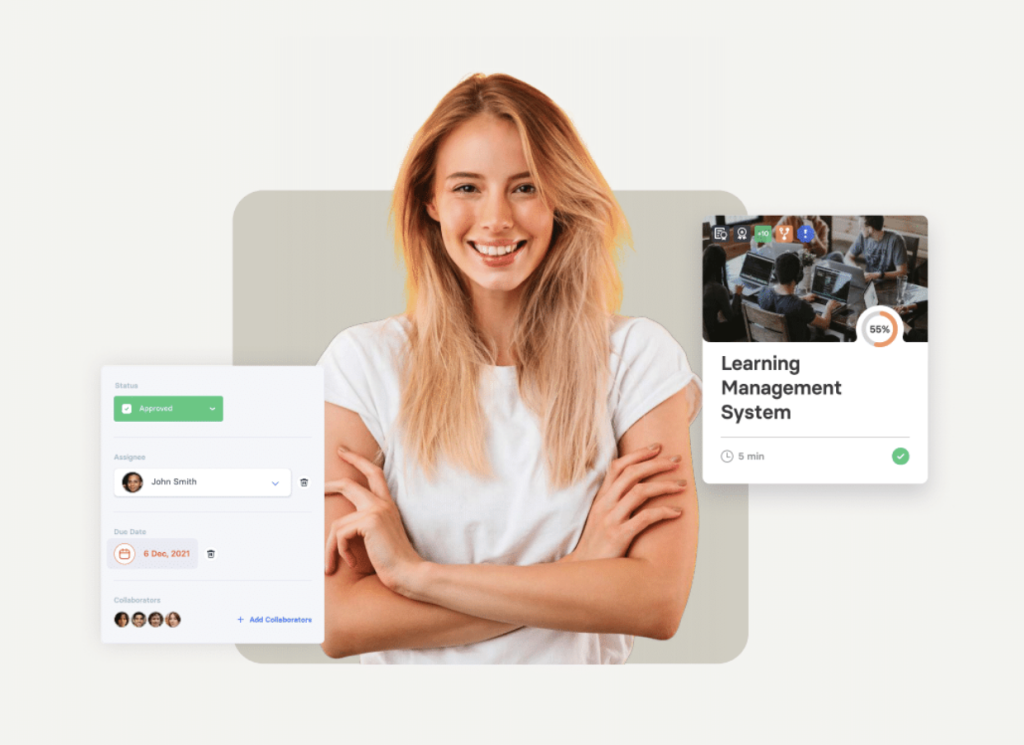
- Online courses and learning platforms (like Coursera, LinkedIn Learning) use AI to suggest courses based on progress and interests
- Adaptive learning adjusts difficulty based on your performance
- Personalized feedback highlights strengths and weaknesses
Personalized learning accelerates skill acquisition by focusing on areas that need the most improvement.
3. Automate Routine Tasks to Focus on Growth Skills
AI can free time for high-value learning:
- Automate data entry, scheduling, and reporting with tools like Zapier or AI assistants
- Reduce repetitive work to dedicate more time to skill development
- Use AI analytics to extract insights instead of manual processing
Automation allows professionals to spend more time on learning, strategy, and creativity.
4. Enhance Research and Knowledge Gathering
AI tools make information more accessible:
- Use AI-powered research assistants to summarize articles, reports, and industry trends
- Quickly analyze large datasets for insights relevant to your work
- Stay up-to-date with emerging skills and technologies
AI streamlines knowledge acquisition and keeps professionals informed.
5. Practice and Simulate Skills with AI
AI-driven simulations help in skill mastery:
- Virtual labs for coding, data science, and engineering
- Business simulations for strategy, marketing, and finance
- Language and communication practice with AI chatbots
Simulation enables safe, repetitive practice to improve confidence and competence.
6. Improve Decision-Making Skills
AI tools support critical thinking and analytics:
- Predictive analytics help anticipate outcomes
- AI can identify patterns or trends you might miss
- Use insights to make data-driven decisions, improving problem-solving skills
Integrating AI in decision-making enhances professional judgment and strategic thinking.
7. Enhance Creativity with AI Assistance
AI tools boost creative capabilities:
- Generate design ideas, content drafts, or prototypes using AI tools like Canva AI, ChatGPT, or DALL·E
- Brainstorming support for complex problem-solving
- Combine AI outputs with personal expertise for innovation
AI augments, rather than replaces, human creativity.
8. Track and Analyze Your Learning Progress
AI can monitor development effectively:
- Track time spent, skills acquired, and gaps in knowledge
- Provide analytics on strengths and weaknesses
- Recommend new challenges to ensure continuous growth
Data-driven tracking optimizes learning efficiency.
9. Ethical and Strategic Use of AI
Maximize benefits while maintaining integrity:
- Ensure AI outputs are verified and accurate
- Use AI responsibly without over-reliance
- Focus on using AI as a tool to enhance—not replace—human skills
Strategic use ensures AI complements professional growth rather than becoming a crutch.
10. Combine AI Tools with Human Mentorship and Collaboration
- Pair AI insights with guidance from mentors for contextual understanding
- Collaborate with colleagues using AI-driven platforms for joint learning
- Use AI to support but not replace interpersonal skills development
The combination of AI and human input maximizes skill acquisition and workplace effectiveness.