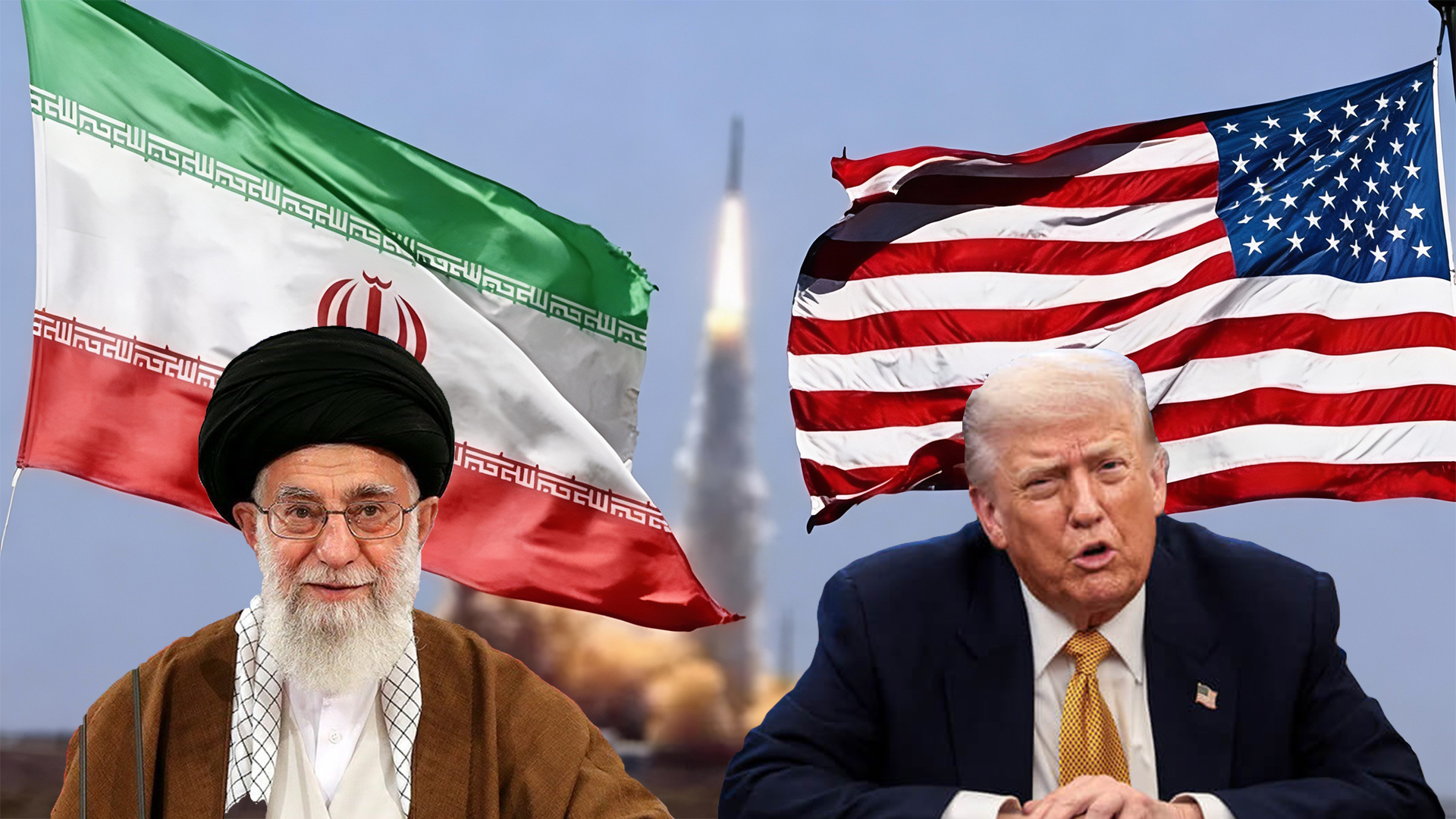
The growing tensions between the United States and Iran have become one of the most discussed global issues in 2026. Many people are calling it a possible war, but the reality is more complex. It is not just about military action; it also involves economic pressure, political strategies, and ongoing diplomatic efforts. This situation is shaping international relations and affecting countries around the world.
The conflict between the United States and Iran has deep historical roots. For many years, disagreements over nuclear development, regional influence, and foreign policy have created a difficult relationship between the two nations. In recent months, tensions have increased significantly, with both sides strengthening their military presence and taking strategic actions. These developments have raised concerns about the possibility of a larger conflict that could impact global stability.
One of the most noticeable effects of this situation is on the global economy. Iran plays an important role in the oil market, and any disruption in the region can lead to rising fuel prices. When oil prices increase, transportation costs go up, production becomes more expensive, and everyday goods become less affordable. This creates economic pressure not only in the Middle East but also in countries across the world.
In addition to energy markets, international trade is also affected. Important shipping routes pass through the Middle East, and any instability in these areas can slow down global trade. Businesses face uncertainty, and investors become more cautious when tensions rise. This shows how interconnected the global economy has become, where a regional issue can have worldwide consequences.
Another major factor in this modern conflict is the role of technology. Artificial intelligence is changing how people access and understand information. Today, people rely on advanced digital tools to stay updated on global events. AI-powered systems can analyze large amounts of data, summarize complex situations, and provide clear explanations in a short time. This has made it easier for individuals to stay informed without spending hours reading detailed reports.
For example, instead of searching through multiple sources, users can now ask questions and receive direct, easy-to-understand answers. This shift is making information more accessible and helping people better understand global issues like the US–Iran conflict. As technology continues to improve, the way people consume news and information will keep evolving.
Social media platforms are also playing a significant role in spreading information about the conflict. News travels quickly, and updates can reach millions of people within minutes. While this helps people stay informed, it also increases the risk of misinformation. Not all trending content is accurate, so it is important for users to think critically and verify what they read.
Modern warfare itself is also changing. Unlike traditional wars, today’s conflicts involve cyber operations, intelligence systems, and advanced data analysis. Governments use technology to monitor activities, predict outcomes, and make strategic decisions. This makes conflicts more complex and less visible, as much of the activity happens behind the scenes.
Despite the rising tensions, diplomatic efforts are still ongoing. Different countries are trying to mediate and reduce the chances of a full-scale war. While there have been some attempts to ease the situation, trust between the two sides remains limited. Both nations continue to protect their interests while keeping communication channels open.
The impact of this conflict is being felt by ordinary people across the globe. Rising fuel prices, inflation, and economic uncertainty are affecting daily life. From increased transportation costs to higher prices of basic goods, the consequences are widespread. This highlights how global events can directly influence everyday living conditions.
Looking ahead, the future of the US–Iran relationship remains uncertain. There is still hope that diplomacy can prevent a major conflict, but the situation remains sensitive. Global leaders are closely watching developments and working to maintain stability in the region.
At the same time, technology will continue to play an important role in shaping how people understand such issues. Artificial intelligence will become even more advanced, offering faster and more accurate insights into global events. This will help individuals stay informed and make better decisions in an increasingly complex world.
In conclusion, the US–Iran conflict in 2026 is not just a regional issue but a global challenge. It affects politics, economics, and everyday life. As the situation continues to develop, staying informed and aware will be essential. Understanding the broader impact of such conflicts can help people better navigate the challenges of a rapidly changing world.
Leave a Reply