Category: news

  • Global Economy Showing Mixed Signals

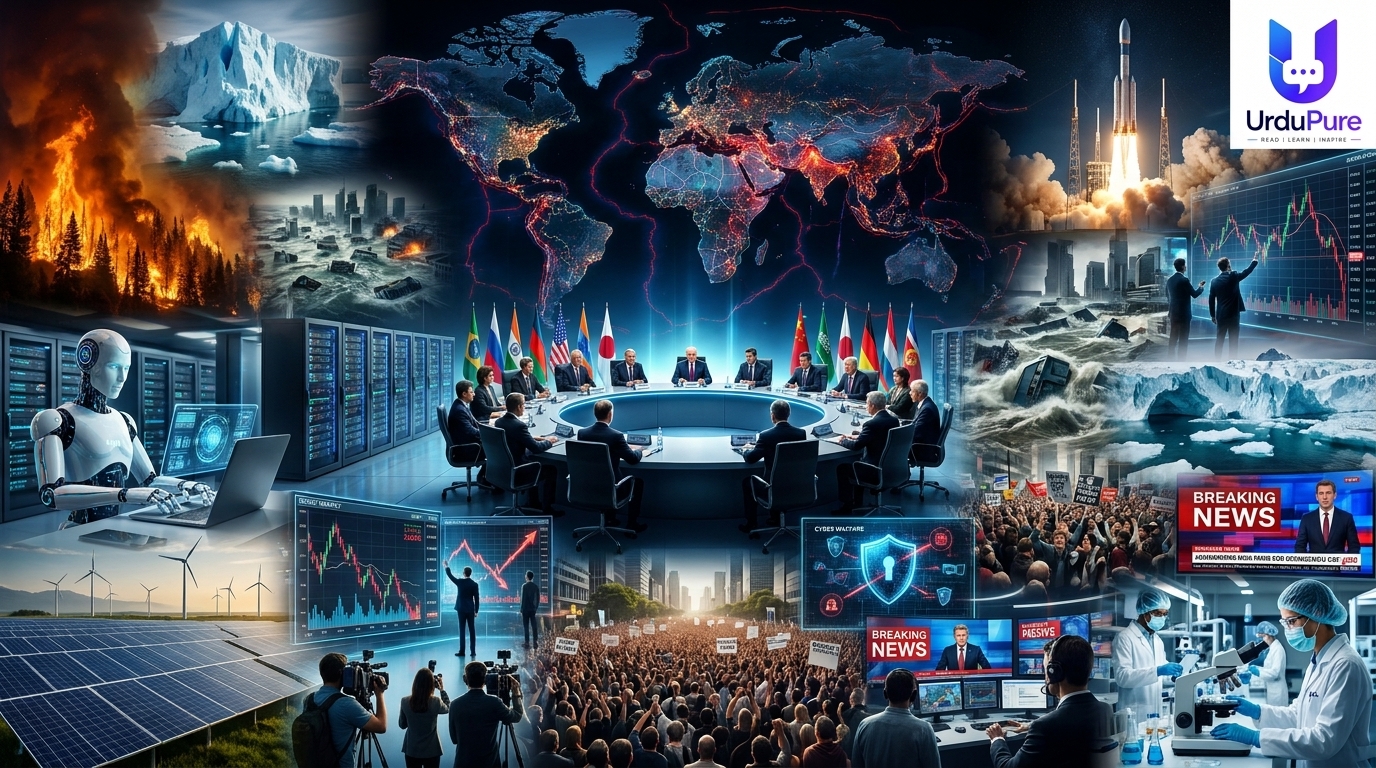
    Global Economy Showing Mixed Signals

    The world economy in 2026 is growing, but slowly and unevenly. Some regions are stable, while others face challenges like inflation, debt, and trade pressure.

    Experts say global growth is expected around 2.7%–3%, which is lower than pre-pandemic levels. However, there is no major global recession expected at this time.

     Key points:

    • USA and parts of Asia are still growing
    • Europe faces slower economic recovery
    • Developing countries struggle with debt and prices

     2. Geopolitical Tensions and Peace Efforts

    One of the biggest global headlines in 2026 is ongoing geopolitical tension, especially in the Middle East and other conflict regions.

    Recent updates show:

    • Ceasefire and peace discussions between major countries
    • Opening of key trade routes like strategic waterways
    • Diplomatic efforts by global powers to reduce conflict

    These developments are affecting oil prices, global trade, and international security.

     3. Climate Change Breaking Records

    Climate-related disasters remain one of the biggest global concerns in 2026.

    Reports show:

    • Record-breaking heatwaves in multiple countries
    • Increased wildfires in Southern Hemisphere
    • Rising global temperature trends continuing

    Scientists warn that at least one year between 2026–2030 may become the hottest on record.

     4. Health Alerts and Disease Outbreaks

    Some countries are facing new health challenges in 2026, including outbreaks of infectious diseases in certain regions.

    Health organizations are:

    • Monitoring measles resurgence in some countries
    • Strengthening vaccination programs
    • Improving global health response systems

    These outbreaks highlight the importance of healthcare preparedness worldwide.

     5. Technology & AI Growth

    Artificial Intelligence continues to expand rapidly in 2026, changing how people work, learn, and earn.

    Key trends include:

    • AI tools used in businesses and education
    • Automation increasing in online jobs
    • Growth of digital freelancing and content creation

    Technology remains one of the fastest-changing sectors in the world.

     6. Political & Global Risk Concerns

    Experts warn that 2026 is a “high-risk global year” due to political instability, economic shifts, and technological competition.

    Major concerns include:

    • Rising global competition between superpowers
    • Trade and energy tensions
    • Cybersecurity and AI regulation challenges

     Conclusion

    Breaking news in 2026 shows a world that is:

    • Economically stable but slow-growing
    • Politically tense in some regions
    • Affected strongly by climate change
    • Rapidly changing due to technology and AI

    These updates prove that global events are more connected than ever before, and even small changes in one region can affect the entire world

  • Global Oil Crisis 2026: Rising Prices, Fuel Shortages, and Panic Buying Trends

    Global Oil Crisis 2026: Rising Prices, Fuel Shortages, and Panic Buying Trends

    The global economy is currently facing a major challenge as oil prices continue to rise rapidly in 2026. This sudden increase has created widespread concern across different regions, especially in countries heavily dependent on fuel imports. Nations like the United Kingdom are already experiencing the early effects, where fuel shortages and panic buying have become a serious issue.

    One of the main reasons behind the surge in oil prices is geopolitical tension in key oil-producing regions. When supply chains are disrupted, even slightly, the global market reacts immediately. Oil is one of the most critical resources in the world, and any uncertainty around its availability can lead to sharp price increases. As a result, industries, governments, and consumers all feel the pressure at the same time.

    In the United Kingdom, reports of fuel shortages have led to what is commonly known as “panic at the pumps.” This situation occurs when people rush to fill their vehicles and store extra fuel out of fear that supplies may run out. While this behavior is understandable, it often makes the situation worse. Increased demand in a short period of time puts additional strain on already limited resources, leading to longer queues, empty fuel stations, and further public anxiety.

    The impact of rising oil prices goes far beyond fuel stations. Transportation costs increase significantly, affecting both public and private sectors. Businesses that rely on shipping and logistics face higher expenses, which are often passed on to consumers. This leads to an overall rise in the cost of goods, contributing to inflation. Everyday items such as food, clothing, and household products become more expensive, making life more difficult for average consumers.

    Another major concern is the effect on global supply chains. Modern economies are deeply interconnected, and disruptions in one region can quickly spread worldwide. When fuel becomes expensive or scarce, it slows down production and delivery processes. This can lead to shortages of essential goods and delays in services, further impacting economic stability.

    In addition to economic consequences, the psychological impact of fuel shortages should not be ignored. Panic buying is often driven by fear and uncertainty rather than actual shortage levels. Social media and real-time news updates can amplify these fears, encouraging more people to rush to fuel stations. This creates a cycle where fear leads to increased demand, which in turn causes real shortages.

    Technology and artificial intelligence are playing an important role in how people understand and respond to this crisis. Modern AI systems are helping users access real-time information about fuel prices, availability, and global trends. This allows individuals and businesses to make more informed decisions. However, it is still important for people to rely on accurate and verified information to avoid unnecessary panic.

    Governments are also taking steps to manage the situation. Strategic fuel reserves, supply chain adjustments, and public awareness campaigns are being used to reduce pressure on fuel systems. Authorities are encouraging people to avoid hoarding and to use fuel responsibly. In some cases, limits are being placed on how much fuel individuals can purchase at one time to prevent stockpiling.

    Looking ahead, the global oil market is expected to remain volatile in the short term. Factors such as geopolitical tensions, production levels, and international policies will continue to influence prices. Experts suggest that diversifying energy sources and investing in renewable energy can help reduce dependence on oil in the long run. This could provide more stability and reduce the risk of similar crises in the future.

    For individuals, adapting to the situation is essential. Simple steps such as reducing unnecessary travel, using public transportation, and conserving fuel can make a difference. Awareness and responsible behavior can help ease the pressure on fuel supplies and prevent further escalation of the problem.

    In conclusion, the rapid increase in oil prices, combined with fuel shortages and panic buying, has created a challenging global situation in 2026. Countries like the United Kingdom are already experiencing the effects, highlighting the seriousness of the issue. While governments and organizations are working to stabilize the market, public cooperation and awareness are equally important. As the world navigates this crisis, a balanced approach involving technology, policy, and responsible consumption will be key to managing the impact effectively.

  • Lyrid Meteor Shower 2026: A Stunning Night of Shooting Stars on April 22 – How to Watch This Rare Sky Event

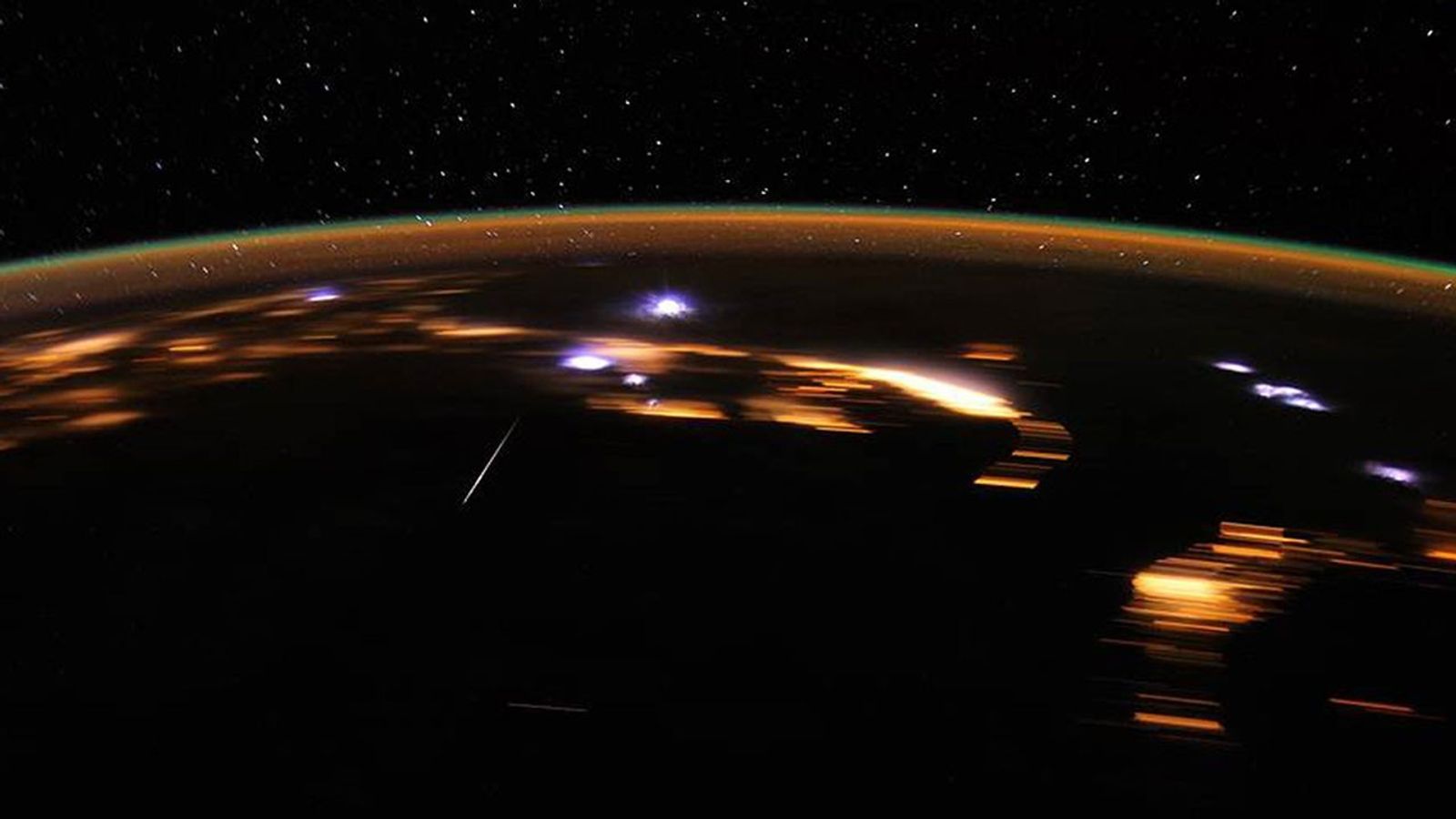
    Lyrid Meteor Shower 2026: A Stunning Night of Shooting Stars on April 22 – How to Watch This Rare Sky Event

    April 2026 brings one of the most beautiful and widely discussed natural events of the year: the Lyrid Meteor Shower, which will reach its peak on the night of April 22. Skywatchers around the world are eagerly waiting for this moment, as it offers a rare chance to witness “shooting stars” lighting up the night sky.

    The Lyrid Meteor Shower occurs when Earth passes through a stream of debris left behind by a comet. These tiny particles enter Earth’s atmosphere at high speed and burn up due to friction, creating bright streaks of light that we see as meteors. Despite their name, shooting stars are not actually stars, but they create a magical visual experience that captures global attention every year.

    This annual meteor shower has become especially popular in recent years due to growing interest on social media platforms. People are sharing viewing tips, sky photography ideas, and countdowns leading up to the peak night. As a result, it has become one of the top trending space-related topics this week.

    According to experts, the best time to observe the meteor shower will be from late night on April 22 into the early hours of April 23. During peak activity, viewers may be able to see around 10 to 20 meteors per hour under ideal conditions. In areas with very dark skies and minimal light pollution, the number may appear even higher.

    One of the best things about this event is that it does not require any special equipment. Unlike some astronomical events that need telescopes or binoculars, the Lyrid Meteor Shower can be enjoyed with the naked eye. All you need is a clear sky, a dark location, and some patience.

    For the best viewing experience, it is recommended to move away from city lights and find an open area such as a field or countryside. Light pollution in urban areas can significantly reduce visibility, making it harder to spot meteors. Lying back and looking up at the sky can also make the experience more comfortable and immersive.

    Timing plays an important role as well. The hours after midnight are considered ideal for viewing, as this is when your location on Earth faces directly into the incoming stream of meteors. This increases the chances of spotting more shooting stars throughout the night.

    The history of the Lyrid Meteor Shower is also fascinating. It is one of the oldest recorded meteor showers, with observations dating back over 2,500 years. The name “Lyrid” comes from the constellation Lyra, the region of the sky from which the meteors appear to originate. Over the centuries, this event has been observed and recorded by different civilizations, sometimes even producing intense meteor storms.

    In today’s fast-paced digital world, events like this offer a refreshing connection to nature. Watching a meteor shower can be a peaceful and inspiring experience, allowing people to pause and appreciate the vastness of the universe. Many choose to share the moment with friends and family, turning it into a memorable night.

    Weather conditions will play a key role in visibility this year. Clear skies will offer the best chance to fully enjoy the spectacle, while cloud cover may limit the view in some regions. Checking local weather forecasts before planning your viewing can help ensure a better experience.

    The Lyrid Meteor Shower is more than just a scientific phenomenon—it is also an emotional experience for many. People often associate shooting stars with wishes, hope, and inspiration. This combination of science and wonder is what makes the event so special.

    In conclusion, the night of April 22 presents a unique opportunity to witness one of nature’s most captivating displays. Whether you are an astronomy enthusiast or simply someone looking for a beautiful moment under the stars, this event is worth experiencing.

    So take some time, step outside, and look up—because moments like these remind us just how extraordinary our universe truly is.

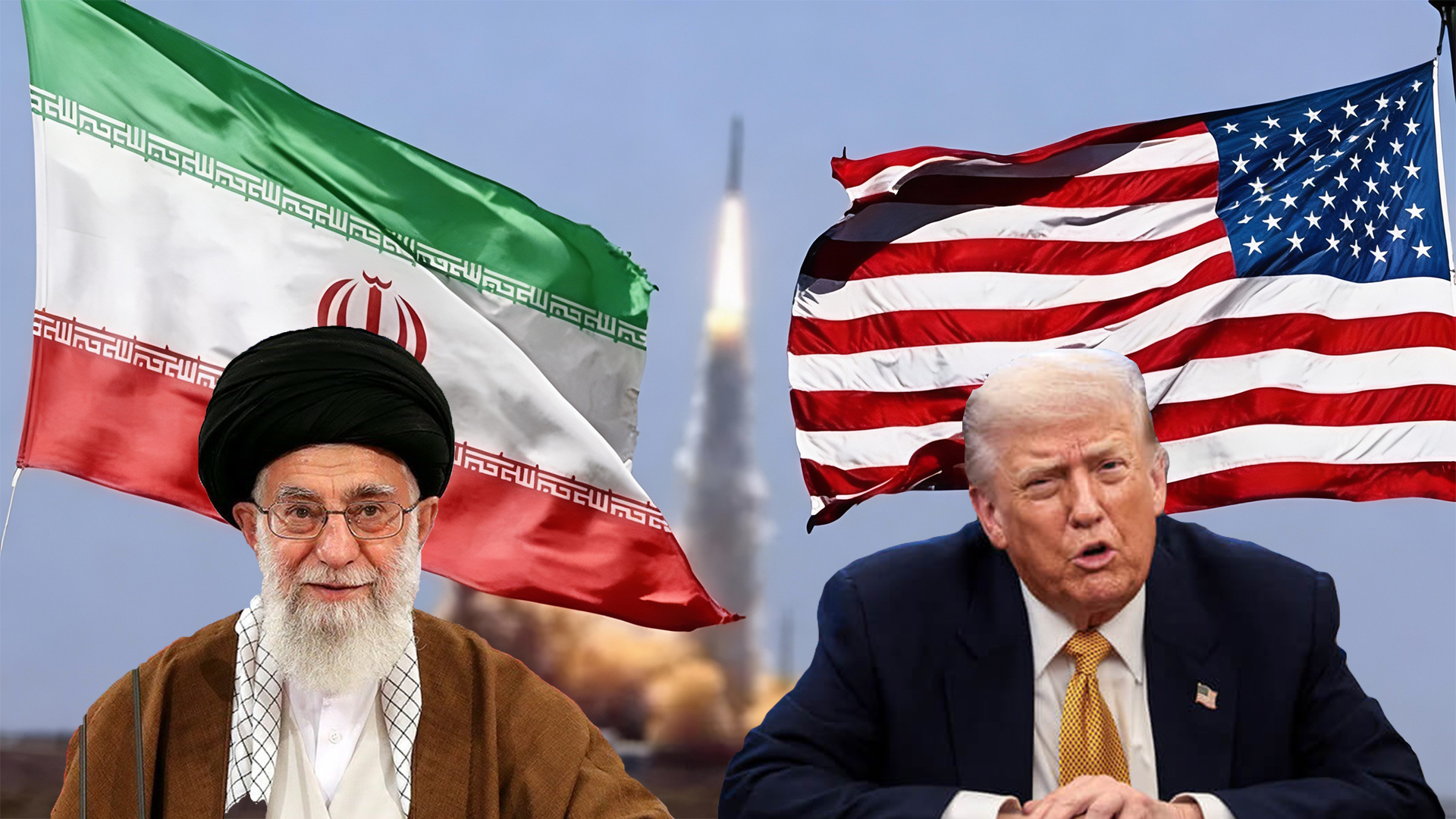
  • Gulf Crisis 2026: Iran vs US Tensions Shake the World – Could This Turn Into a Global Conflict?

    Gulf Crisis 2026: Iran vs US Tensions Shake the World – Could This Turn Into a Global Conflict?

    In April 2026, one of the most dangerous and widely trending global topics has become the rising tension between Iran and the United States. This is no longer just a regional issue; it is now directly affecting global politics, the economy, and international security. The Middle East, particularly the Gulf region, is currently going through a highly sensitive situation where each day brings new reports of escalation.

    According to recent reports, the United States has increased its military presence in the Gulf and has enforced a naval blockade along key trade routes such as the Strait of Hormuz. This is one of the most critical pathways for global oil supply, and a significant portion of the world’s oil passes through this region. As a result, the conflict is already having a direct impact on global oil prices and the broader economy.

    The situation became even more serious when the US Navy seized an Iranian cargo ship that was allegedly attempting to break the blockade. Iran condemned this action as an act of aggression and labeled it illegal, warning that it could respond with retaliation. Experts believe that this incident could mark the beginning of a new phase of direct confrontation between the two nations.

    Iran has also made its stance clear, stating that it will not give in to pressure. Tehran has refused to participate in recent peace talks, arguing that US demands are unrealistic and contradictory. This development is a major setback for diplomacy, especially since negotiations were already facing a deadlock.

    Another important aspect of this conflict is its impact on Gulf countries. Nations such as Saudi Arabia, the United Arab Emirates, and other regional states are caught in the middle of this tension. According to economic experts, if the Strait of Hormuz becomes blocked or remains unstable, global oil supply could be severely disrupted, causing oil prices to surge and inflation to rise worldwide.

    On the military front, the situation remains highly tense. Reports suggest that both sides are strengthening their forces, and the possibility of escalation remains high. While Iran and the United States have had clashes in the past, the scale and intensity of the current situation appear to be much greater. Some analysts warn that if the conflict is not contained, it could evolve into a broader regional war involving other countries.

    This crisis is also having a psychological and social impact. On social media, people are closely following every development. Hashtags, news clips, and analysis videos are going viral. Many users are even using terms like “World War 3,” reflecting the level of global concern.

    Diplomatic efforts are still ongoing. Countries like Pakistan are attempting to mediate and bring both sides back to the negotiation table. However, given the current level of mistrust between the parties, an immediate resolution seems unlikely.

    In conclusion, the Iran–US tension is no longer just a bilateral issue. It has become a global crisis affecting economies, political stability, and security worldwide. If a solution is not reached soon, the situation could become even more dangerous.