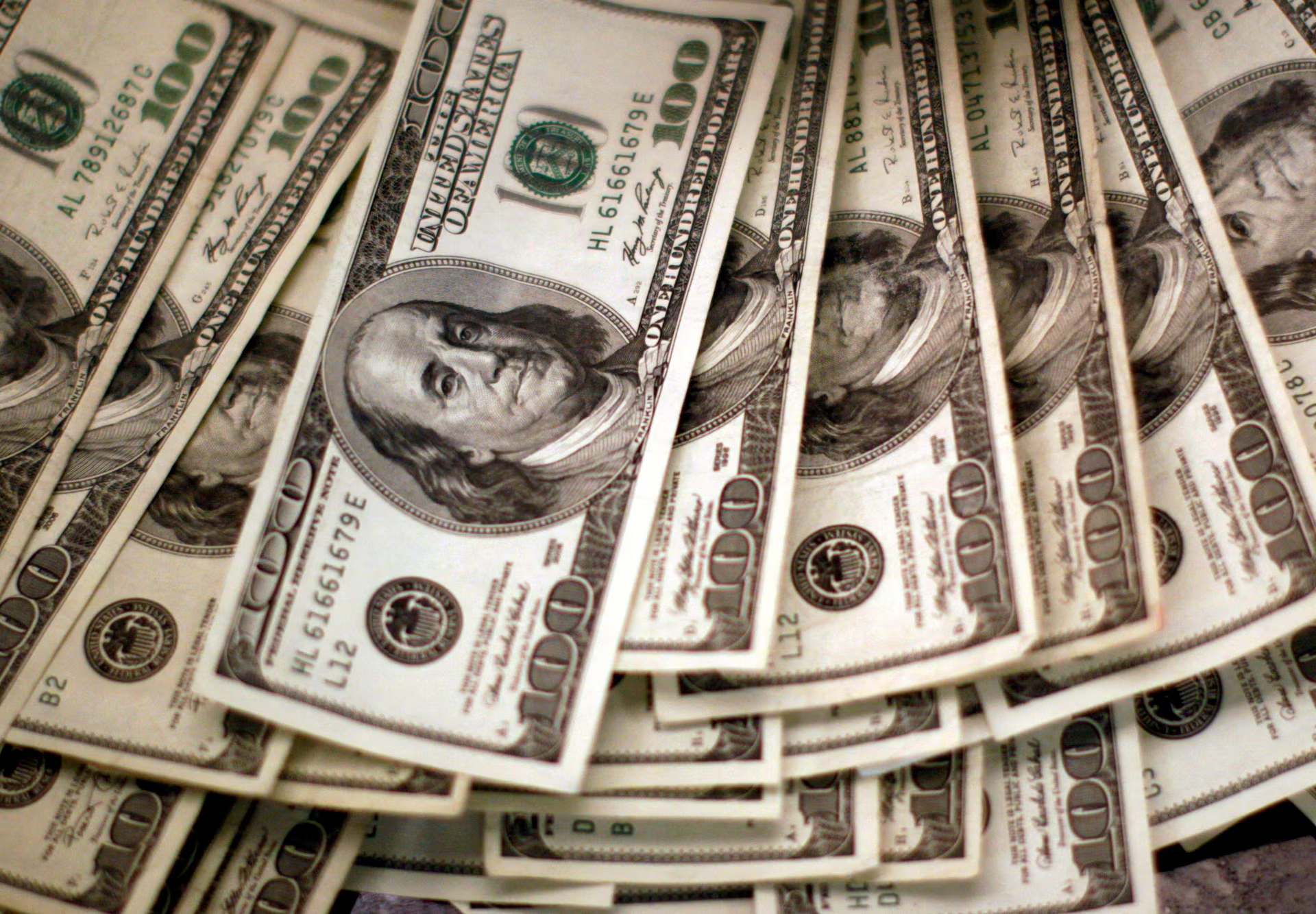
In 2026, one of the most discussed and trending financial topics worldwide is the ongoing rise of the US dollar against local currencies. From developing nations to major economies, fluctuations in exchange rates are creating serious economic challenges and raising concerns among governments, businesses, and ordinary citizens.
The US dollar is considered the world’s dominant reserve currency. It is widely used in international trade, especially for commodities like oil, gold, and other essential goods. Because of this, any increase in the value of the dollar has a direct impact on global markets. When the dollar strengthens, local currencies in many countries tend to weaken, making imports more expensive.
One of the main reasons behind the rising dollar is global uncertainty. Political tensions, economic instability, and conflicts in regions like the Middle East push investors toward safer assets. The US dollar is often seen as a “safe haven,” meaning investors move their money into it during uncertain times. This increased demand naturally pushes its value higher.
Another key factor is interest rates in the United States. When the US Federal Reserve raises interest rates, it attracts foreign investment. Investors from around the world convert their local currencies into dollars to invest in US assets, which increases demand for the dollar and strengthens it further. As a result, other currencies lose value in comparison.
For developing countries, the impact of a strong dollar can be particularly severe. Countries like Pakistan, India, and many African nations rely heavily on imports such as fuel, machinery, and raw materials. When the dollar rises, the cost of these imports increases significantly. Governments then face higher expenses, which often leads to increased prices for consumers.
This situation directly affects everyday life. As the local currency weakens, the prices of essential goods such as food, fuel, and electricity rise. This leads to inflation, reducing the purchasing power of ordinary people. Salaries often do not increase at the same pace, making it harder for families to manage their daily expenses.
Businesses are also affected by currency fluctuations. Companies that depend on imported materials face higher production costs, which reduces their profit margins. In some cases, businesses are forced to increase prices, cut costs, or even reduce their workforce to survive. This can lead to slower economic growth and higher unemployment rates.
On the other hand, a weaker local currency can have some limited benefits. Exports from a country become cheaper and more competitive in international markets. This can boost export industries such as textiles, agriculture, and manufacturing. However, for many developing countries, the benefits of exports are often outweighed by the rising cost of imports.
Remittances also play an important role in this scenario. For countries that receive money from citizens working abroad, a stronger dollar can increase the value of remittances in local currency terms. This provides some relief to households that depend on foreign income. However, this benefit is not enough to fully offset the broader economic challenges.
Governments and central banks often try to control currency fluctuations through various measures. These may include adjusting interest rates, managing foreign exchange reserves, or implementing policies to stabilize the economy. However, in a highly interconnected global system, controlling exchange rates is not always easy.
Experts warn that if global uncertainties continue, the dollar may remain strong in the coming months. This could put further pressure on local currencies and increase economic challenges for many countries. Policymakers are closely monitoring the situation and looking for ways to balance growth with stability.
In conclusion, the rise of the dollar against local currencies is not just a financial issue—it is a real-life challenge affecting millions of people around the world. From higher prices to reduced purchasing power, the impact is felt at every level of society.
As global conditions evolve, the future of exchange rates will depend on economic policies, geopolitical developments, and market confidence. For now, the dollar’s strength continues to shape the financial landscape, making it one of the most important trends to watch in 2026.